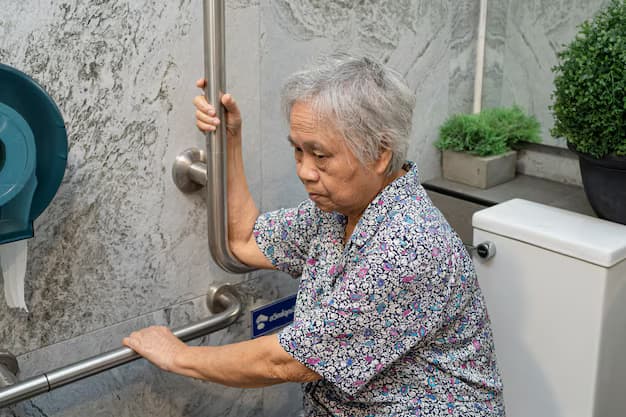
What Is Section 8 Housing and How Does It Work
Section 8 housing is a federal program that helps low-income families, elderly individuals, and people with disabilities pay for rental housing. The program gets its name from Section 8 of the Housing Act of 1937, which created this rental information initiative. Rather than building and managing housing directly, the government provides vouchers to may be able to access individuals that they can use to rent from private landlords who participate in the program.
The way Section 8 works is relatively straightforward. When a household receives a voucher, the government pays a portion of the rent directly to the landlord, and the tenant pays the remainder. The amount the government contributes is based on the local fair market rent for the area and the household's income. This arrangement allows people to live in regular rental properties throughout their communities rather than in government-owned housing complexes.
In Chicago, the Section 8 program is managed by the Chicago Housing Authority, also known as the CHA. The CHA handles the administration of vouchers, manages the waiting list, and ensures that both landlords and tenants follow program rules. Understanding how this program operates can help you learn about options that may be available for affordable housing in the Chicago area.
How the Section 8 Waiting List Works in Chicago
One of the first things to understand about Section 8 housing in Chicago is that there is typically a waiting list. Because demand for affordable housing far exceeds the number of vouchers available, the CHA maintains a list of people waiting to receive information. This waiting list can be quite long, sometimes with thousands of households waiting for vouchers to become available.
The Chicago Housing Authority periodically opens the waiting list to new applicants. When the list is open, interested individuals can request information about how to be added to the list. The CHA may accept applications online, by mail, or in person at their offices. It is important to pay attention to announcements about when the list opens, as these periods may not occur frequently.
Once you are on the waiting list, your position depends on when you submitted your information. The CHA typically works through the list in the order applications were received, though some households may be prioritized based on specific circumstances. Waiting times vary considerably. Some people receive vouchers within a few months, while others may wait several years. Understanding this timeline can help you plan your housing situation accordingly and explore other options while you wait.
Income Requirements and Rent Calculations for Section 8
Section 8 housing is designed for households with low to moderate incomes. To participate in the program, your household income must fall below certain limits set by the federal government. These limits vary based on the size of your household and the specific area where you live. In Chicago, the income limits are adjusted annually to reflect changes in the local economy.
The income calculation includes all money earned by household members from employment, as well as other sources like Social Security, disability benefits, and child support. The CHA uses this total household income to determine whether you meet the income requirements and to calculate how much rent you would be expected to pay.
Under Section 8, you typically pay a portion of your rent based on your income. The standard calculation is that you pay thirty percent of your monthly household income toward rent. The Section 8 voucher covers the difference between what you pay and the fair market rent for your unit, up to the voucher amount. If you find a unit that rents for less than the voucher amount, you pay less in rent, which can help your household budget. This rent structure is designed to may support that housing costs do not consume an unreasonable portion of a family's income.
Finding and Renting a Section 8 Unit in Chicago
Once you have a Section 8 voucher, the next step is finding a landlord and rental unit that participate in the program. Not all landlords accept Section 8 vouchers, so you will need to search specifically for units where the owner has agreed to work with the program. The Chicago Housing Authority provides resources and lists of participating landlords to help you in your search.
When you find a unit you are interested in, you will need to contact the landlord and let them know you have a Section 8 voucher. The landlord will then need to agree to rent to you and allow the CHA to inspect the property to may support it meets program standards. These standards cover things like safety, cleanliness, and basic functionality of appliances and systems. The inspection is an important part of the process because it protects both tenants and landlords.
The rent you negotiate with the landlord must not exceed the fair market rent amount set by the CHA for your area and unit size. Once the landlord agrees to rent to you and the unit passes inspection, the CHA will issue a check to the landlord for their portion of the rent, and you will begin paying your share. It is important to understand your rights and responsibilities as a Section 8 tenant, including maintaining the unit in good condition and paying your portion of rent on time.
Rules and Responsibilities for Section 8 Tenants
Living in a Section 8 unit comes with specific rules and responsibilities that you must follow to maintain your voucher. The Chicago Housing Authority has clear guidelines about what is expected of tenants, and violations can result in losing your voucher. Understanding these rules before you begin the program can help you avoid problems and maintain stable housing.
One of the primary responsibilities is paying your portion of the rent on time each month. The CHA pays the landlord their share, but you must pay your share directly. If you fail to pay your rent consistently, the landlord may begin eviction proceedings, which would result in losing your housing and potentially your voucher. Additionally, you must maintain the unit in good condition, report maintenance issues to the landlord, and allow the landlord to make necessary repairs.
You are also required to notify the CHA of any changes in your household situation, such as changes in income, household members moving in or out, or changes in employment. The CHA uses this information to recalculate your rent portion and may support you continue to meet program requirements. Failure to report changes can result in overpayment of benefits or loss of your voucher. Additionally, the CHA conducts periodic inspections of units to may support they continue to meet program standards. By understanding and following these rules, you can maintain your Section 8 housing and provide stable housing for your family.
Additional Resources and Information About Chicago Housing Programs
Beyond Section 8, there are other affordable housing programs and resources available in Chicago that may help you explore your options. The Chicago Housing Authority manages several different programs, each designed to help different populations or address specific housing needs. Learning about these various programs can give you a more complete picture of what may be available in your situation.
The CHA also provides information about public housing, which is different from Section 8. Public housing consists of buildings owned and managed directly by the CHA where low-income families can live. While public housing and Section 8 are both affordable housing options, they work differently and have different waiting lists. Some households may find public housing a better fit for their needs, while others prefer the flexibility of Section 8 vouchers.
For more information about Section 8 housing and other affordable housing programs in Chicago, you can contact the Chicago Housing Authority directly through their website or by visiting one of their offices. They can provide detailed information about current programs, waiting lists, and the documents you may need to have on hand. Additionally, nonprofit organizations throughout Chicago offer free counseling and information about housing programs. These resources can help you understand your options and make informed decisions about your housing situation.