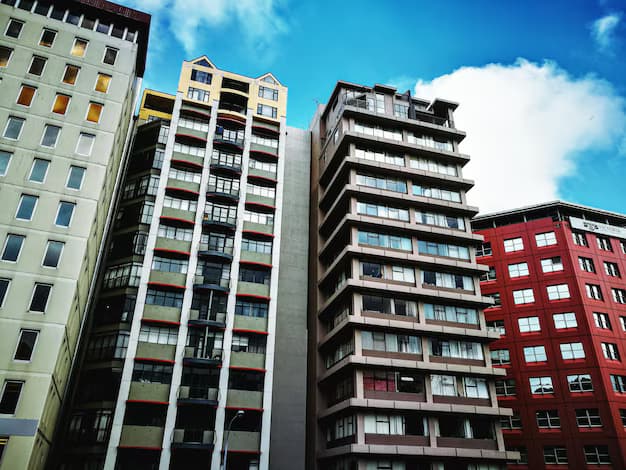
The Basic Definition of an Apartment
An apartment is a type of residential unit that is part of a larger building or complex. Unlike a single-family house that stands alone on its own lot, an apartment is one of many living spaces within a multi-unit structure. Apartments are sometimes called flats, particularly in countries like the United Kingdom and Australia. The term refers to a self-contained living space that typically includes a kitchen, bedroom or bedrooms, bathroom, and living area. Apartments can range in size from small studios with just one main room to large units with multiple bedrooms and bathrooms. The key characteristic that defines an apartment is that it shares walls, floors, or ceilings with other residential units in the same building. This shared structure is what distinguishes apartments from detached homes. Apartments are found in cities, suburbs, and rural areas, though they are most common in urban environments where land is limited and housing needs to be more densely packed. Understanding what an apartment is forms the foundation for learning about rental housing, lease agreements, and tenant responsibilities.
Types and Styles of Apartments
Apartments come in many different configurations and styles to meet the needs of various residents. A studio apartment is the smallest option, consisting of one large open room that serves as both bedroom and living area, along with a separate kitchen and bathroom. One-bedroom apartments have a separate bedroom, a living room, kitchen, and bathroom, making them suitable for individuals or couples. Two-bedroom and three-bedroom apartments are larger units that can house families or roommates. Penthouse apartments are luxury units located on the top floors of tall buildings, often featuring premium views and amenities. Garden apartments are ground-level units that may have direct access to outdoor space. Loft apartments are typically located in converted industrial buildings and feature high ceilings and open floor plans. Efficiency apartments are similar to studios but may be slightly smaller and more affordable. Some apartments are part of apartment complexes with multiple buildings on a shared property, while others are in single high-rise buildings. Townhouse-style apartments are multi-story units that resemble row houses. The type of apartment chosen often depends on personal needs, budget, location preferences, and lifestyle. Learning about these different styles helps renters understand what options may be available in their area.
Key Features and Amenities Found in Apartments
Modern apartments often include a variety of features and amenities that make daily living convenient. Most apartments have climate control systems such as air conditioning and heating to regulate temperature throughout the year. Kitchen appliances typically included are a refrigerator, stove or cooktop, oven, and sometimes a dishwasher. Bathrooms usually contain a toilet, sink, and bathtub or shower. Many apartments feature in-unit laundry facilities with a washer and dryer, though some buildings have shared laundry rooms. Storage space varies widely, with some units offering walk-in closets and others providing minimal closet space. Windows provide natural light and ventilation, and many apartments include window coverings like blinds or curtains. Flooring may be carpet, hardwood, tile, or laminate depending on the apartment's age and price point. Apartment complexes often provide shared amenities beyond the individual units. These may include swimming pools, fitness centers, community rooms, playgrounds, parking areas, and landscaped grounds. Some luxury apartments offer doorman services, concierge desks, or rooftop gardens. Pet-friendly apartments may have designated areas for dogs and cats. Understanding what features come standard in an apartment versus what amenities are offered by the building helps renters make informed decisions about where to live.
Ownership and Rental Arrangements for Apartments
Apartments can be owned or rented depending on the type of arrangement. In rental apartments, a landlord or property management company owns the building and leases individual units to tenants. Tenants pay monthly rent to occupy the space and typically sign a lease agreement that outlines the terms of the rental. Condominium apartments, often called condos, are individually owned units within a larger building. Condo owners have a mortgage and own their specific unit, but share common areas with other owners. Condo owners pay a monthly homeowners association fee to cover maintenance of shared spaces. Cooperative apartments, sometimes called co-ops, are owned by a corporation, and residents purchase shares in the corporation rather than owning the unit outright. Co-op residents also pay monthly fees for maintenance and building operations. Rental apartments are the most common type for people who do not want the commitment or responsibility of ownership. Understanding whether an apartment is for rent or for sale is important when looking for housing. Renters typically have more flexibility to move when their lease ends, while owners have built equity but face higher costs and long-term commitment. The rental market for apartments is often more dynamic than the ownership market, with units becoming available frequently in most areas.
Apartment Living and Tenant Responsibilities
Living in an apartment comes with specific responsibilities and considerations that differ from living in a single-family home. Tenants must follow the lease agreement, which outlines rules about rent payment dates, lease duration, and use of the property. Most leases prohibit significant alterations to the unit, such as painting walls or installing fixtures without permission. Tenants are typically responsible for keeping their unit clean and maintaining it in good condition. Noise restrictions are common in apartment buildings since residents live in close proximity to one another. Quiet hours are often enforced, usually during evening and nighttime hours, to may support all residents can sleep and relax. Pets may be restricted or limited in number and size, depending on the building's policies. Parking arrangements vary, with some apartments offering assigned spots, guest parking, or street parking. Building access and security features like locked doors, intercoms, or key cards help protect residents. Tenants should report maintenance issues promptly to building management, who are responsible for repairs to common areas and structural elements. Shared spaces like hallways, lobbies, and common rooms must be respected by all residents. Understanding these responsibilities helps apartment dwellers coexist peacefully with neighbors and maintain a safe, pleasant living environment for everyone in the building.
Advantages and Considerations of Apartment Living
Apartment living offers several advantages that make it an attractive housing option for many people. Apartments are often more affordable than single-family homes, making them accessible to renters with various income levels. Maintenance and repairs are typically the landlord's responsibility, reducing the burden on tenants. Utilities may be lower in apartments compared to larger homes due to smaller square footage and shared walls that provide insulation. Location is often a major advantage, as apartments are frequently situated in walkable neighborhoods with straightforward public transportation. Many apartment complexes offer amenities like gyms and pools that would be expensive for individual homeowners to maintain. The sense of community can be stronger in apartment buildings where residents interact regularly. Renters have flexibility to relocate when their lease ends without the complications of selling a home. However, apartment living also has considerations to think about. Less privacy is a common trade-off since neighbors live nearby. Noise from neighbors, hallways, or building systems can be a concern. Pet policies may be restrictive or costly. Renters cannot make permanent changes to their living space. Lease agreements may include rent increases when renewing. Building management quality varies, which affects the overall living experience. Understanding both the benefits and considerations helps people decide whether apartment living suits their lifestyle and needs.