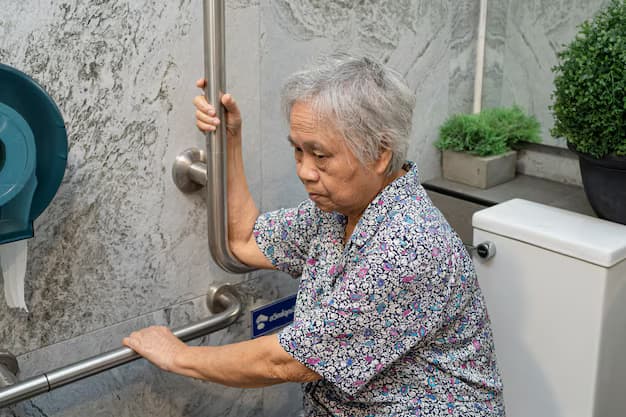
What In-Home Care Services Include
In-home care services refer to a range of support options that allow seniors to receive information while living in their own homes. These services can vary widely depending on the needs of the individual and the type of provider involved. Understanding what these services include is an important first step in learning about the options that may be available.
Personal care information is one common type of in-home service. This includes help with daily activities such as bathing, dressing, grooming, and toileting. Caregivers who provide personal care work with seniors to maintain their hygiene and appearance, which can be important for both physical health and emotional well-being. Some seniors may need this support occasionally, while others may require it several times per day.
Companionship and social support are also part of many in-home care arrangements. Caregivers may spend time talking with seniors, helping them stay mentally engaged, and providing emotional support. This type of interaction can be particularly valuable for seniors who live alone or have limited contact with family and friends. Regular companionship has been shown to contribute to better mental health outcomes for older adults.
Medication management is another service that in-home care providers may offer. This involves helping seniors remember to take their medications on schedule and in the correct doses. For seniors with multiple prescriptions or memory concerns, having someone information with medication management can reduce the risk of missed doses or dangerous drug interactions. Some providers will organize medications into daily or weekly containers to make this easier.
Light housekeeping and meal preparation are practical services that help seniors maintain a comfortable living environment. Caregivers may help with cooking, cleaning, laundry, and other household tasks. These services allow seniors to remain in their homes while having the support they need to keep their living spaces clean and safe. Proper nutrition is particularly important for senior health, and meal preparation services may support that seniors have access to healthy food.
Different Types of In-Home Care Providers
Several different types of providers offer in-home care services, and understanding the differences between them can help you explore your options. Each type of provider has different training, credentials, and areas of focus. Learning about these distinctions will help you understand what resources may be available in your community.
Home health agencies are organizations that employ trained caregivers and coordinate care services. These agencies typically handle scheduling, background checks, and ensuring that caregivers meet certain standards. When working with a home health agency, the agency is responsible for managing the relationship between the caregiver and the senior. Many home health agencies employ nurses, aides, and other trained professionals who can provide both personal care and medical support.
Independent caregivers are individuals who work directly with seniors and their families without being employed by an agency. Some seniors and families prefer this arrangement because it may offer more flexibility and a more personal relationship with the caregiver. However, when hiring an independent caregiver, the family typically takes on more responsibility for background checks, tax withholding, and managing the employment relationship.
Adult day care centers provide in-home care alternatives by offering structured programs during the day. Seniors attend these centers where they can participate in activities, socialize with other seniors, and receive supervision and meals. Adult day care can be a good option for seniors who are still relatively independent but benefit from structured activity and social interaction. It also provides a break for family caregivers who may be providing care at home.
Senior care coordinators or care managers are professionals who help assess a senior's needs and connect them with appropriate services. While they may not provide direct care themselves, they can be valuable resources for understanding what options exist and how to arrange services. These professionals often have extensive knowledge of local resources and can make recommendations based on an individual's specific situation.
How to Explore In-Home Care Options in Your Area
Finding in-home care services involves researching what is available in your community and understanding how different services work. There are several steps you can take to learn about the options that may be available to you or your loved one. Starting with local resources is often the most practical approach.
Contact your local Area Agency on Aging, which is a government organization that provides information about senior services in your region. These agencies maintain lists of home care providers, can answer questions about different types of services, and may have information about programs that could be relevant to your situation. You can find your local Area Agency on Aging through the Eldercare Locator, a national service that helps people find local resources.
Ask your doctor or healthcare provider for recommendations. Healthcare professionals often work with home care providers and can suggest organizations that have good reputations and meet certain standards. Your doctor may also be able to discuss whether in-home care services would be beneficial for your specific health situation.
Talk with friends, family members, and members of your community who have experience with in-home care. Personal recommendations from people you trust can provide valuable insight into what to expect and help you understand the quality of different providers. People who have used services can share their experiences and help you understand what questions to ask.
Research providers online and check their credentials and reviews. Many home care agencies have websites where you can learn about the services they offer, the qualifications of their staff, and how they operate. Reading reviews from other families can give you a sense of what others have experienced. You can also contact your state's health department or licensing board to check whether providers are properly licensed and whether there have been any complaints filed against them.
Understanding Costs and Payment Options
In-home care services can vary significantly in cost, and understanding the financial aspects is an important part of exploring your options. The cost of care depends on many factors, including the type of service, how many hours per week you need, and where you live. Learning about different payment approaches can help you understand what may be feasible for your situation.
Private pay is one common way that families pay for in-home care services. With private pay, you or your family members pay directly for services out of pocket. This gives you flexibility in choosing providers and arranging care as needed. However, private pay can be expensive, particularly if you need care for many hours per week or for an extended period. The cost can range from roughly fifteen to thirty dollars per hour for basic personal care, though costs vary by region and the type of service.
Medicare is a federal health insurance program for people over sixty-five. Medicare may cover some in-home care services, but only if they are medically necessary and ordered by a doctor. Medicare coverage typically includes skilled nursing care and physical therapy provided by certified home health agencies. Medicare does not generally cover personal care information or companionship services. If you have Medicare, it is worth discussing with your healthcare provider what services might be covered under your plan.
Medicaid is a state and federal program that provides health insurance to people with lower incomes. Many states offer Medicaid programs that cover in-home care services for seniors who meet income and asset requirements. The types of services covered and the income limits vary by state. If you think you may be may be able to access based on your income, contacting your state's Medicaid office can provide information about what services may be available.
Veterans benefits may be available if you or your spouse served in the military. The Department of Veterans Affairs offers Aid and Attendance benefits that can help pay for in-home care services for may be able to access veterans. There are also state-specific veteran benefits programs that may offer additional support. If you have military service history, contacting the Veterans Affairs office in your state can provide information about what programs may be relevant to your situation.
Questions to Ask When Evaluating In-Home Care Providers
When you are considering working with an in-home care provider, asking the right questions can help you understand whether they are a good fit for your needs. Taking time to ask detailed questions about how providers operate and what they offer will help you make an informed decision. Here are some important areas to explore with any provider you are considering.
Ask about the qualifications and training of their caregivers. Find out what background checks are conducted, whether caregivers are bonded and insured, and what training they receive. Understanding the credentials of caregivers helps you know what level of skill and reliability you can expect. You should also ask whether caregivers receive ongoing training and whether the provider has a process for ensuring quality and handling complaints.
Inquire about how the provider handles scheduling and what happens if a caregiver cannot show up. Understanding the backup plans and how scheduling works is important for making sure that care is reliable and consistent. Ask whether you can request the same caregiver and whether the provider can accommodate your preferred schedule.
Ask about the specific services the provider offers and whether they can customize services to meet your particular needs. Find out what tasks caregivers are trained to do and whether they can information with medication management, medical equipment, or other specialized needs. Understanding what services are included and what might cost extra is important for budgeting.
Discuss communication and how you will stay informed about the care being provided. Ask how often you will hear from the provider, how they handle problems or concerns, and what process exists for making changes to the care plan. Good communication between the family, the senior, and the care provider is essential for making sure that care is meeting the intended goals.
Ask about references and whether you can speak with other families who have used the provider's services. Speaking with people who have actual experience with a provider can give you valuable information about whether they deliver quality care and how they handle various situations. References provide a way to verify that the provider does what they claim to do.
Planning and Preparing for In-Home Care Services
Once you have explored your options and decided to move forward with in-home care services, there are several steps involved in planning and preparing. Taking time to plan thoughtfully will help may support that the transition to in-home care goes smoothly and that the care provided meets the needs of the senior.
Start by having an honest conversation with the senior about their needs, preferences, and concerns about having someone come into their home. Understanding what the senior wants and feels comfortable with is important for making sure that the care arrangement works well. Some seniors may feel hesitant about having a caregiver in their home, and addressing these concerns directly can help ease the transition.
Work with a healthcare provider to document the senior's medical conditions, medications, allergies, and any special care needs. This information should be shared with the care provider so they understand the senior's health situation and know what to watch for. Having clear medical information also helps prevent misunderstandings or missed details that could affect the quality of care.
Prepare the home environment to make it safe and comfortable for both the senior and the caregiver. This might include removing tripping hazards, ensuring adequate lighting, making sure the bathroom is accessible, and having supplies organized in a way that makes sense. A well-organized home makes it easier for caregivers to do their job effectively and reduces the risk of accidents or injuries.
Create a care plan that outlines what services will be provided, when they will be provided, and what the expectations are. A written care plan helps may support that everyone understands what is supposed to happen and provides a reference point if questions or problems arise. The care plan should include information about the senior's daily routine, preferences, and any special instructions.
Plan for how you will manage the financial and administrative aspects of the care arrangement. If you are working with an agency, understand what paperwork is required and what your responsibilities are. If you are hiring an independent caregiver, understand your responsibilities as an employer, including tax withholding and insurance. Having clear financial arrangements prevents confusion and helps may support that everything is handled appropriately.