Overview of the Fair Housing Act
The Fair Housing Act is a federal law that was passed in 1968 as part of the Civil Rights Act. This law makes it illegal for landlords, property managers, and housing providers to discriminate against people based on certain protected characteristics. Understanding this law is important for anyone who owns rental property or manages housing, as violations can result in serious legal consequences and financial penalties.
The Fair Housing Act applies to most types of housing, including single-family homes, apartments, condominiums, and mobile homes. It covers the entire rental process, from advertising properties to setting rental terms and conditions. The law also protects people when they are buying homes or obtaining mortgages. Landlords and property managers must follow these rules when making decisions about who can rent their properties and under what terms.
The law is enforced by the Department of Housing and Urban Development (HUD), which investigates complaints of housing discrimination. When someone believes they have experienced discrimination, they can file a complaint with HUD. The agency then looks into the matter to determine whether a violation occurred. This enforcement mechanism makes it essential for landlords to understand and follow the law carefully.
Many states and local governments have also created their own fair housing laws that may provide additional protections beyond what the federal law requires. Some of these state and local laws protect more categories of people or provide stronger penalties for violations. Landlords need to know about both federal and local requirements in the areas where they own property.
Protected Classes Under Fair Housing Law
The Fair Housing Act protects people from discrimination based on seven protected classes. These are specific characteristics that landlords cannot use as a reason to refuse to rent to someone or to treat them differently. The seven protected classes are race, color, national origin, religion, sex, familial status, and disability. It is important to note that discrimination can be based on any of these characteristics, and the law protects people regardless of their background.
Race and color protections mean that landlords cannot refuse to rent to someone or charge different rent based on their race or skin color. National origin protections prevent discrimination based on where someone is from, their accent, or their native language. Religious protections mean landlords cannot refuse to rent to someone because of their faith or religious practices. These protections explore to all religions and belief systems.
Sex discrimination protections cover discrimination based on gender. This also includes protections related to pregnancy and sexual harassment. Familial status protections mean landlords cannot refuse to rent to families with children or treat them differently because they have kids. However, there are some exceptions for housing specifically designed for older adults.
Disability protections are particularly important for landlords to understand. The law protects people with physical and mental disabilities. Landlords must make reasonable accommodations for people with disabilities, such as allowing service animals or permitting modifications to the rental unit. Disability discrimination is one of the most common types of fair housing complaints, so landlords should pay special attention to understanding these requirements.
What Constitutes Illegal Discrimination
Discrimination under the Fair Housing Act can take many forms, and it is not always obvious. Direct discrimination occurs when a landlord openly refuses to rent to someone because of a protected characteristic. For example, if a landlord says they will not rent to families with children or to people of a certain race, that is direct discrimination and is clearly illegal.
However, discrimination can also be more subtle and indirect. This type of discrimination occurs when a landlord applies rules or policies that appear neutral on the surface but actually have a negative impact on people in a protected class. For instance, a policy that prohibits children in the building affects families with children, who are a protected class. Even if the policy is applied equally to everyone, it may still be considered discrimination if there is no legitimate business reason for it.
Steering is another form of discrimination that landlords must avoid. This occurs when a landlord directs people toward or away from certain properties or neighborhoods based on a protected characteristic. For example, showing only certain apartments to people of a particular race or religion would be steering. Landlords must treat all prospective tenants equally when showing properties and discussing available units.
Harassment based on a protected characteristic is also illegal. This includes unwelcome conduct, slurs, jokes, or other behavior that creates an intimidating or hostile living environment. Landlords and their staff members must not engage in this type of behavior and should take steps to prevent it from occurring. Additionally, landlords cannot retaliate against tenants who complain about discrimination or file a fair housing complaint.
Reasonable Accommodations and Modifications for Disabilities
One of the most important responsibilities landlords have under the Fair Housing Act is to provide reasonable accommodations for tenants and prospective tenants with disabilities. A reasonable accommodation is a change to a rule, policy, practice, or service that allows a person with a disability to have equal access to housing. Landlords must consider requests for reasonable accommodations even if their standard policies would normally prohibit what is being requested.
Common examples of reasonable accommodations include allowing a service animal in a building that has a no-pets policy, permitting a tenant to have a designated accessible parking space, or allowing a tenant to make modifications to the rental unit. Another example is providing information in large print or audio format for people with vision impairments. Landlords should be prepared to receive and consider these types of requests from tenants and prospective tenants.
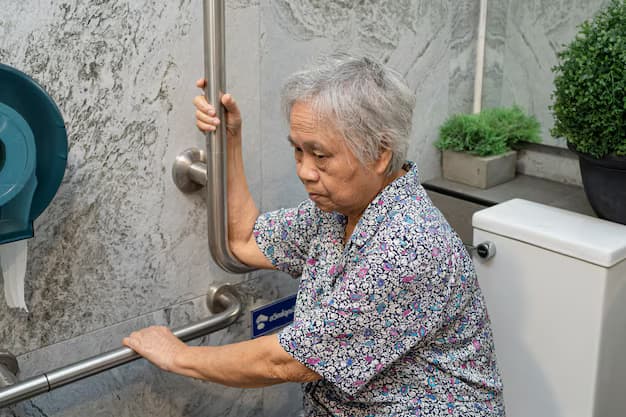
Reasonable modifications are physical changes that a tenant makes to a rental unit to accommodate a disability. Examples include installing grab bars in a bathroom, modifying doorways to accommodate a wheelchair, or installing a ramp at the entrance. Landlords cannot refuse to allow reasonable modifications, though they can require the tenant to restore the unit to its original condition when they move out, with some exceptions.
When a tenant requests a reasonable accommodation or modification, landlords should not ask for extensive medical documentation. However, they may ask for information that confirms the person has a disability and explains why the accommodation is necessary. Landlords should respond to requests promptly and engage in a conversation with the tenant to determine what accommodations are reasonable. Refusing to consider or discuss these requests is a violation of fair housing law.
Fair Housing in Advertising and Marketing
Fair housing requirements extend to how landlords advertise their properties. Advertisements for rental housing cannot include language that discourages people in a protected class from explore. This means avoiding words or phrases that indicate a preference for or against people based on protected characteristics. For example, advertising for a "family-friendly" building might discourage elderly people from explore, which could be considered age discrimination in some contexts.
Landlords must be careful about the images they use in advertisements as well. Using photographs that show only people of one race or excluding images of families with children can send a message that certain groups are not welcome. Advertisements should represent the diversity of people who may be interested in renting. Additionally, the location where advertisements are placed matters. Advertising only in publications that reach a particular racial or ethnic group, for instance, could be considered steering.
Fair housing requirements also explore to online listings and social media. Landlords cannot use targeting features on platforms like Facebook or Google to show advertisements only to people of a certain race, religion, or other protected characteristic. Using these targeting tools to exclude protected groups from seeing advertisements is a violation of fair housing law. Landlords should may support their online marketing practices comply with these requirements.
The language used in advertisements should be neutral and welcoming to all people. Phrases like "no children," "no disabled people," or "families only" are clearly problematic. Even more subtle language can raise concerns. Landlords should review their advertisements carefully to may support they do not contain anything that could discourage people in protected classes from inquiring about the property. When in doubt, it is better to use straightforward, straightforward language that describes the property without any may have access to statements.
Best Practices for Fair Housing Compliance
To may support compliance with fair housing laws, landlords should establish clear policies and procedures for all aspects of their rental business. These policies should cover tenant selection, advertising, lease terms, maintenance requests, and complaint handling. Having written policies helps may support that decisions are made consistently and fairly, and it demonstrates a commitment to following the law. Landlords should review these policies regularly to make sure they comply with current fair housing requirements.
Training is an essential part of fair housing compliance. Landlords, property managers, and anyone else involved in making decisions about housing should receive training on fair housing laws and their responsibilities. This training should cover the protected classes, examples of discrimination, how to handle requests for reasonable accommodations, and how to avoid steering and other discriminatory practices. Regular training helps may support that everyone understands the importance of fair housing and knows how the process works it in their work.
Landlords should also document their decisions and keep records of all interactions with prospective and current tenants. When making decisions about renting to someone, landlords should document the reasons for their decision. This documentation can be helpful if a fair housing complaint is filed, as it shows that the decision was based on legitimate, non-discriminatory reasons. Records should be kept for a reasonable period of time in case they are needed later.
Finally, landlords should take fair housing violations seriously and address them promptly. If a tenant or staff member engages in discriminatory behavior, landlords should investigate and take appropriate action. This might include retraining, discipline, or termination, depending on the severity of the violation. Taking these steps demonstrates a commitment to fair housing and can help prevent future violations. Landlords who take fair housing seriously protect themselves legally and create a welcoming environment for all tenants.